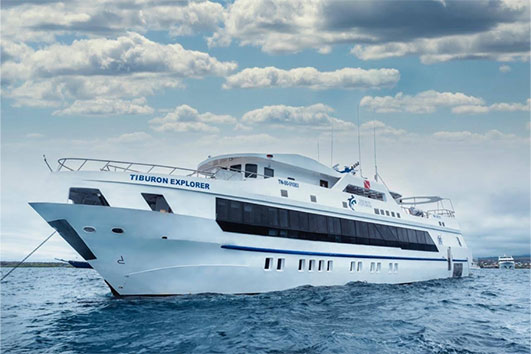
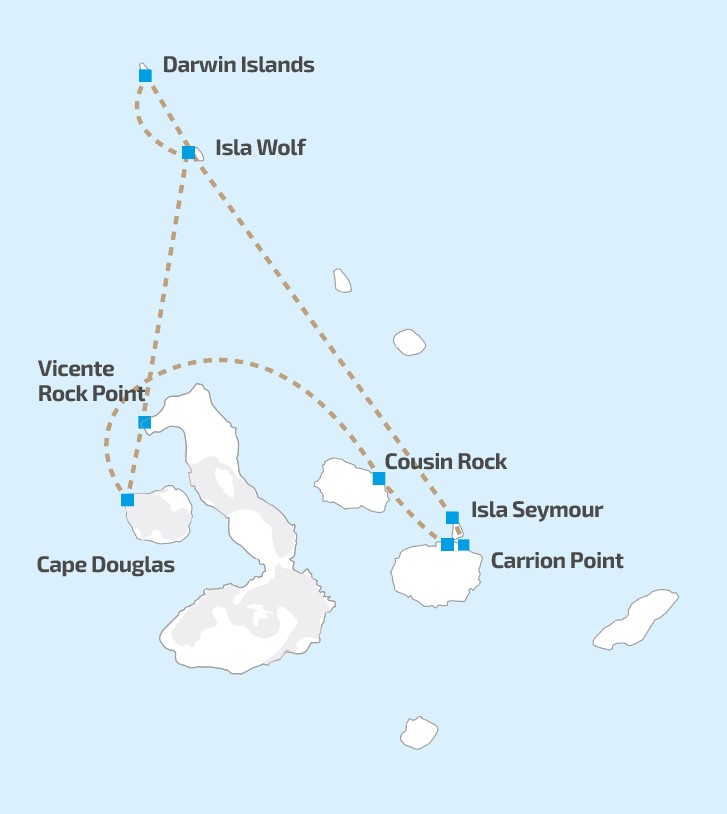
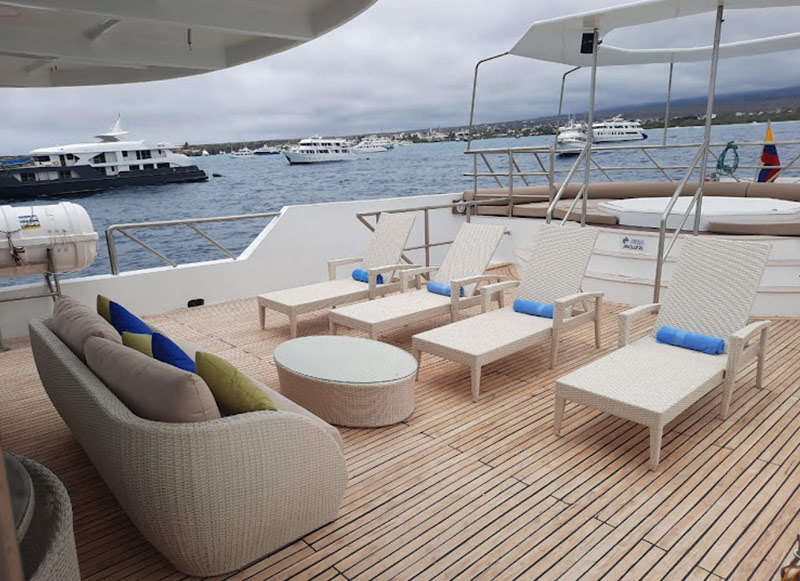
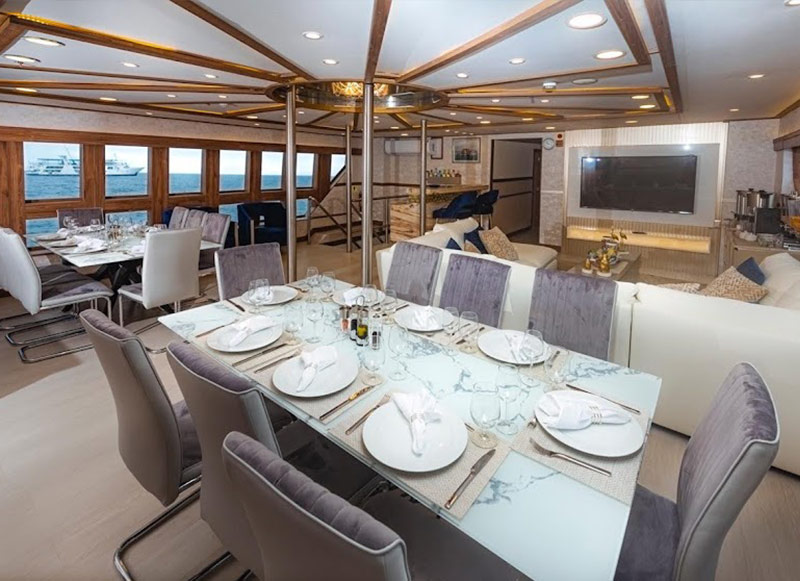
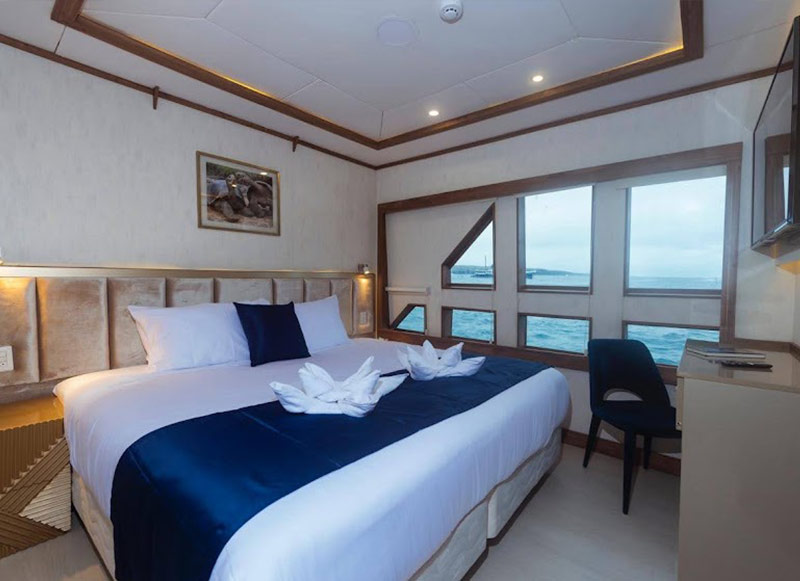
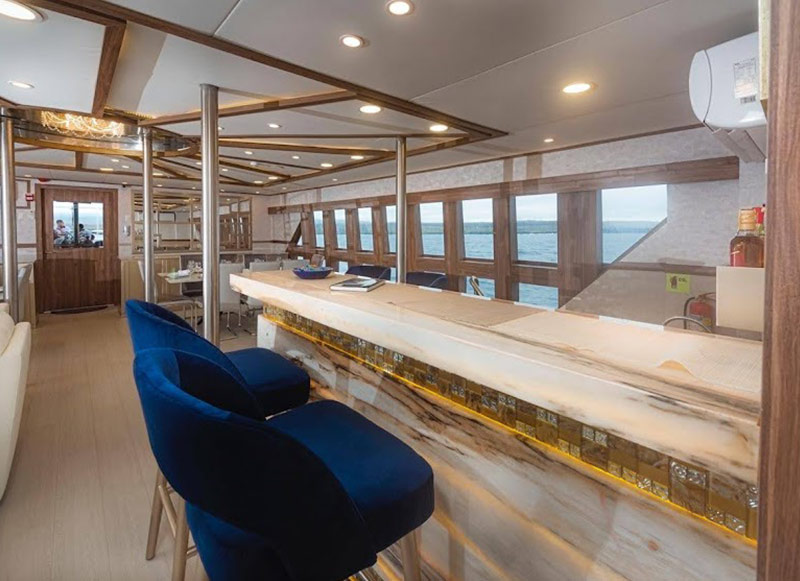
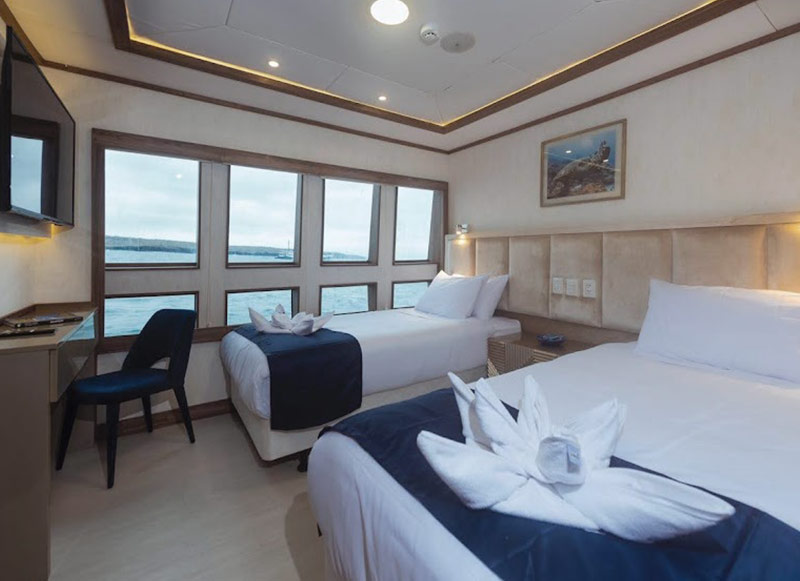
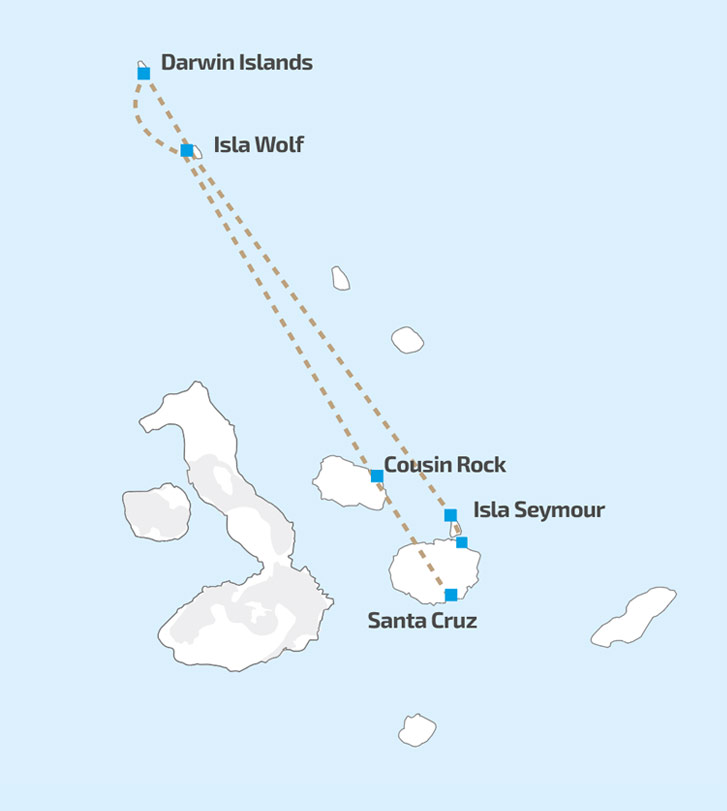
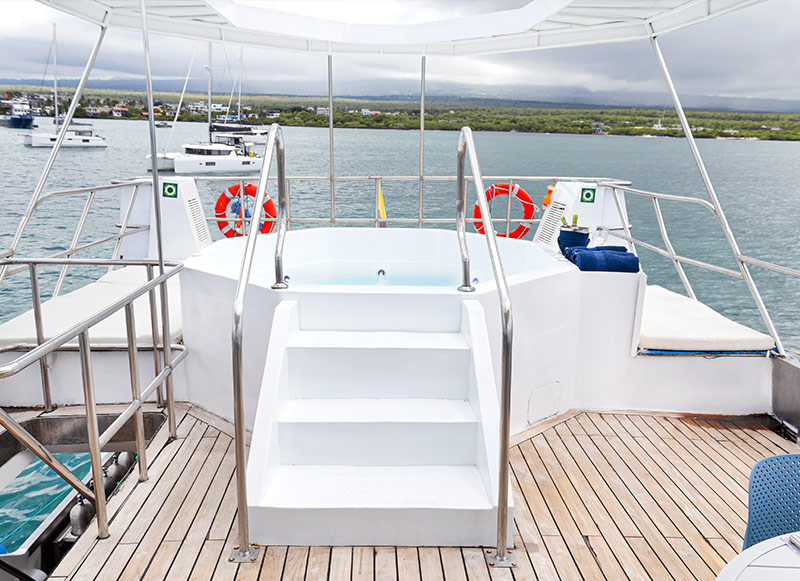
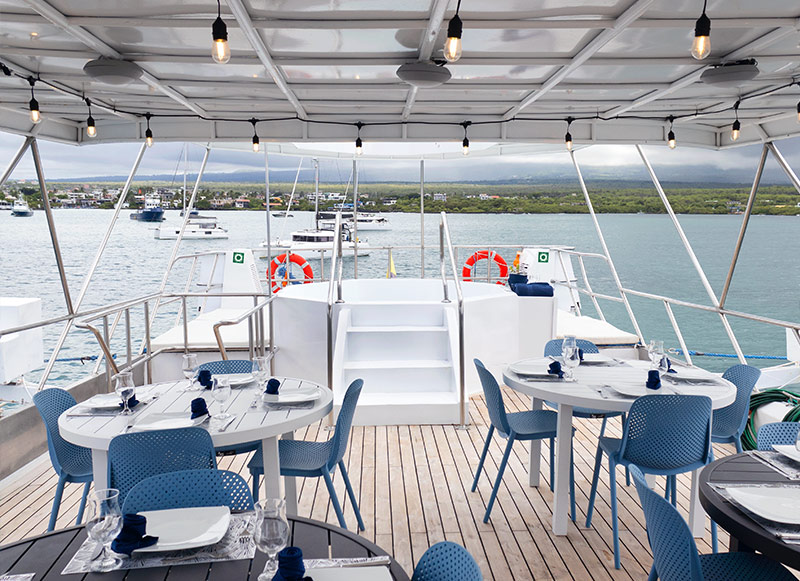
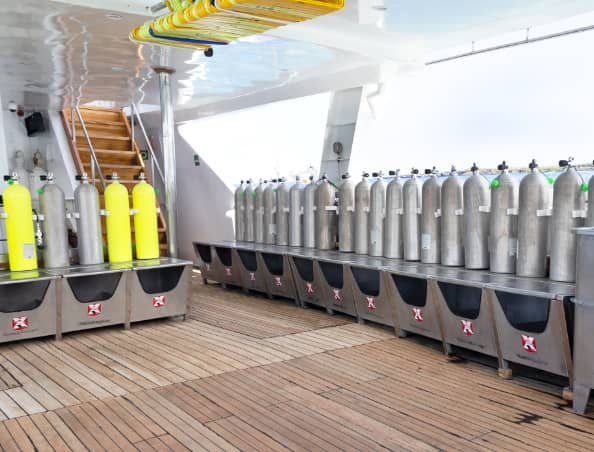
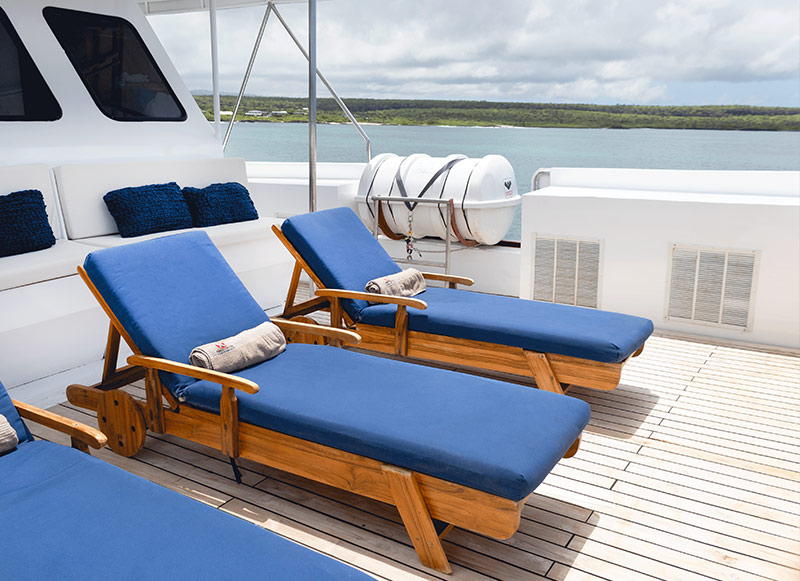
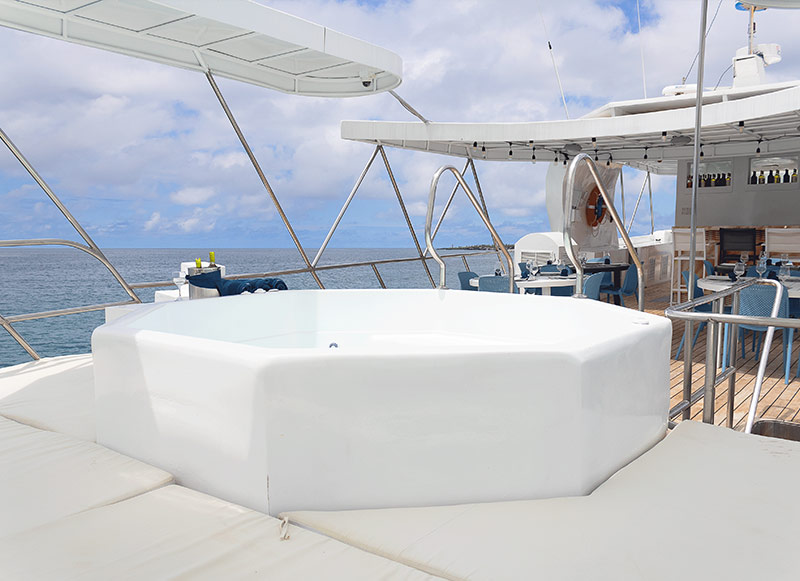
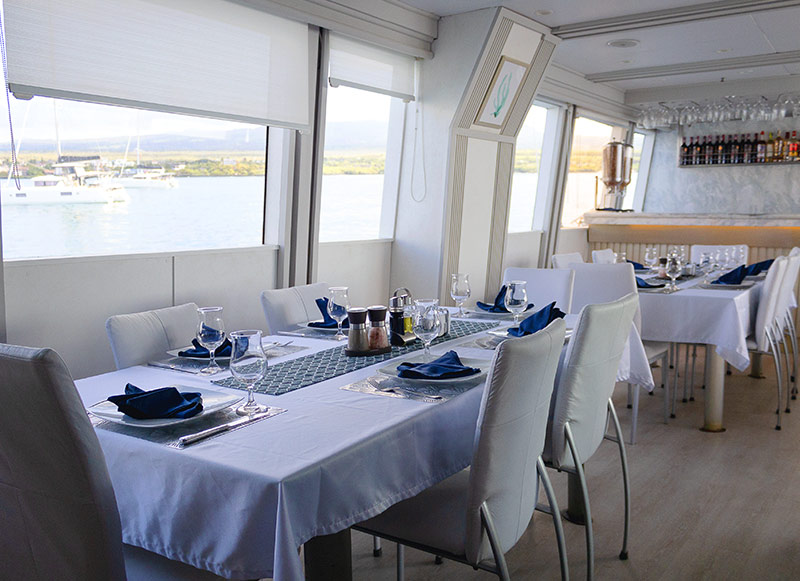
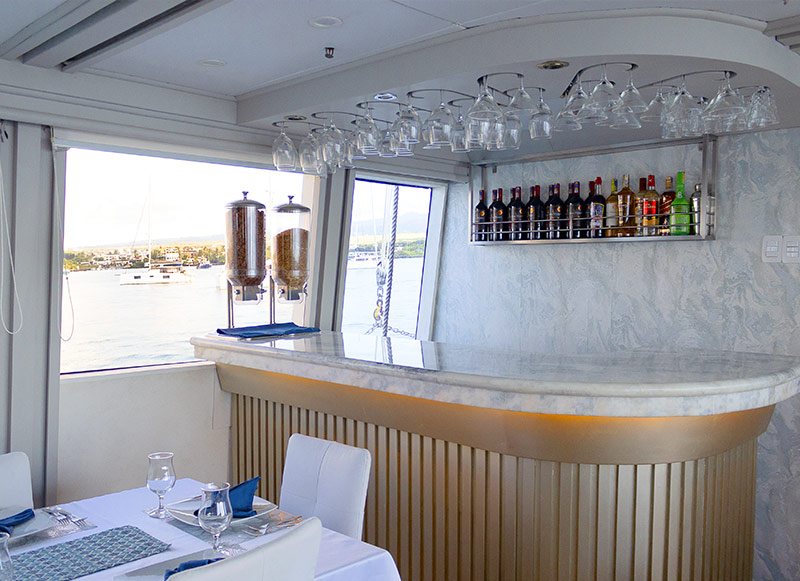
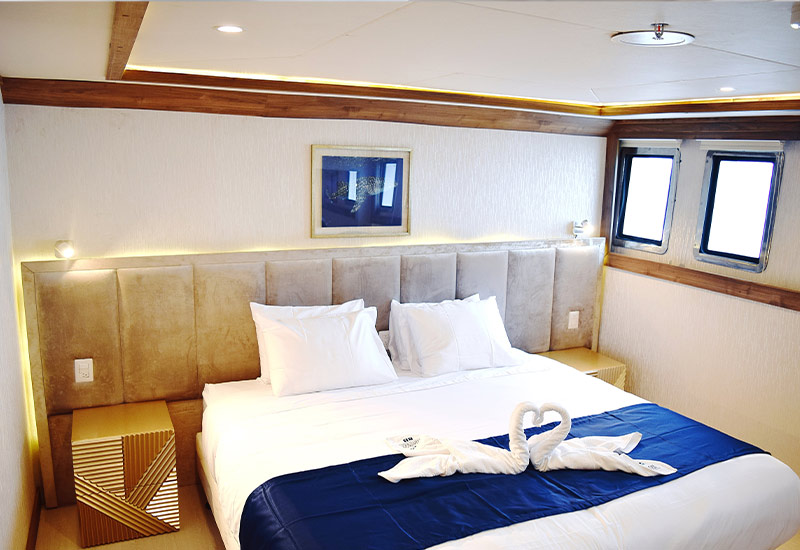
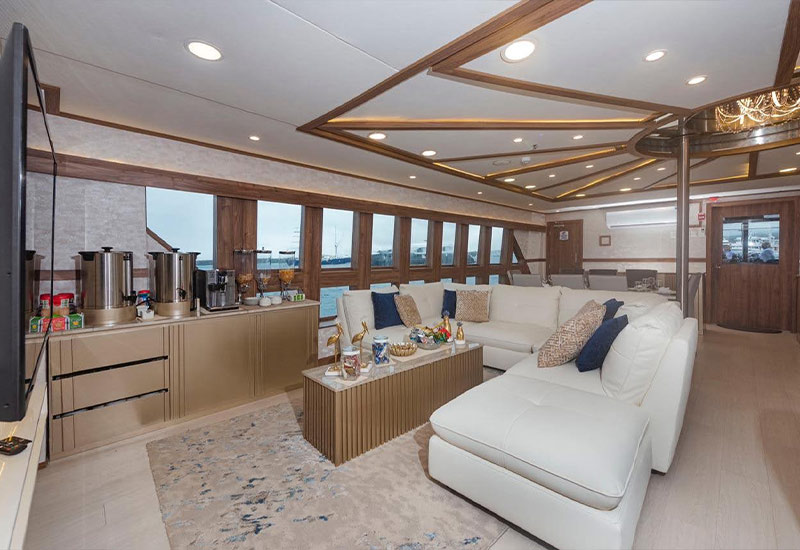
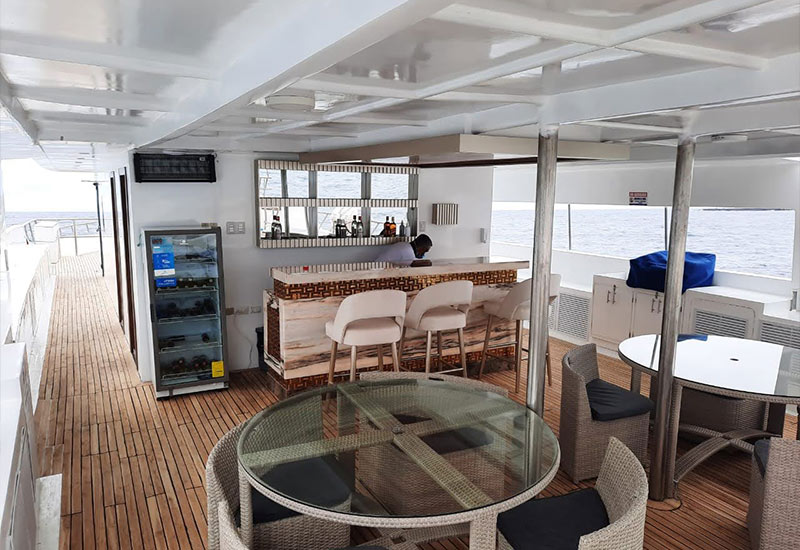
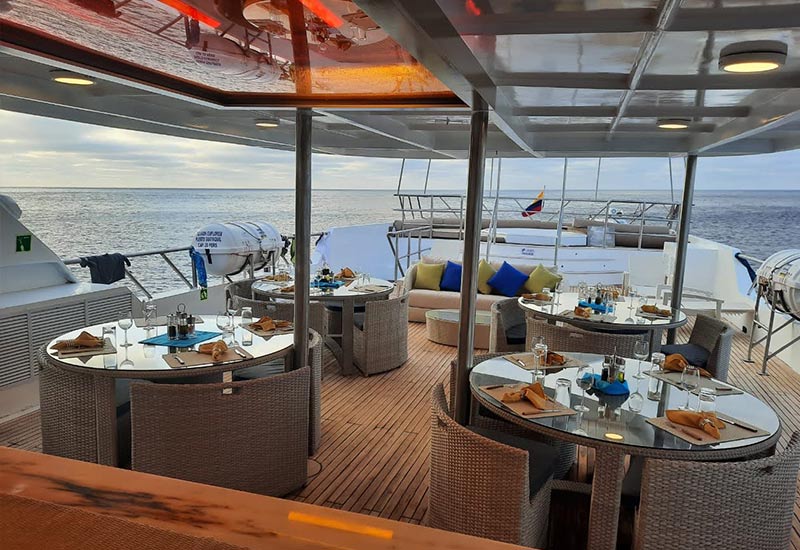
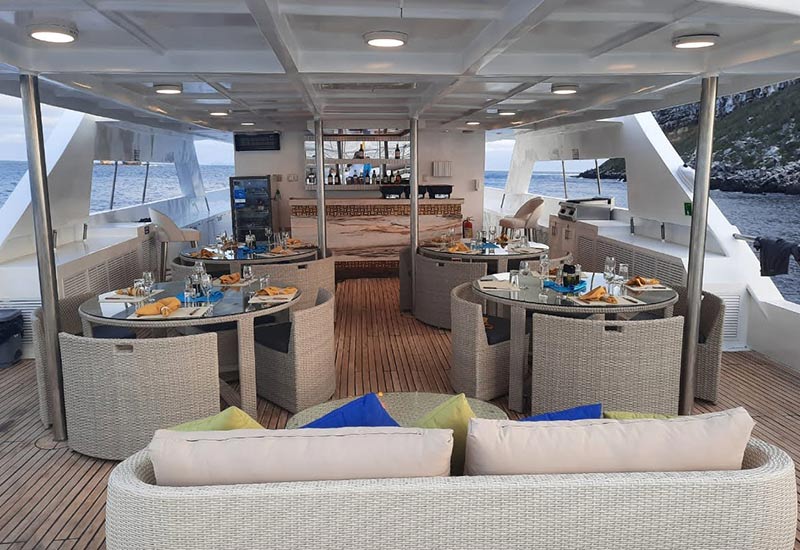
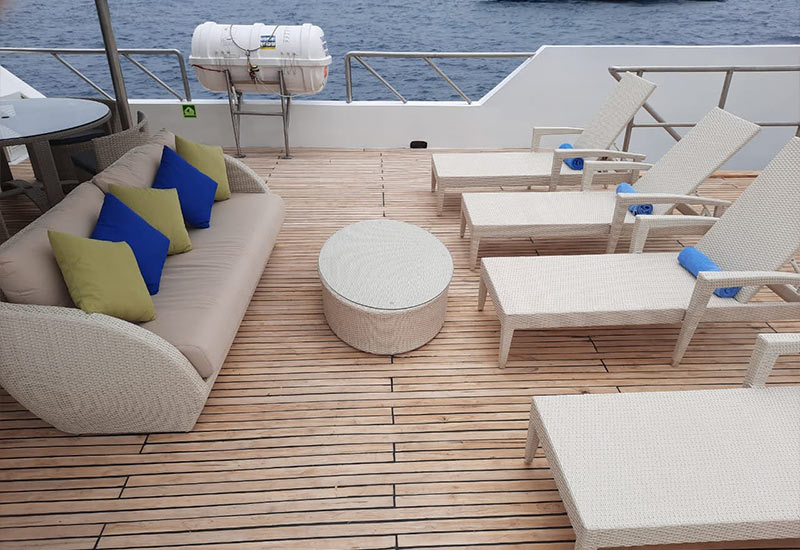
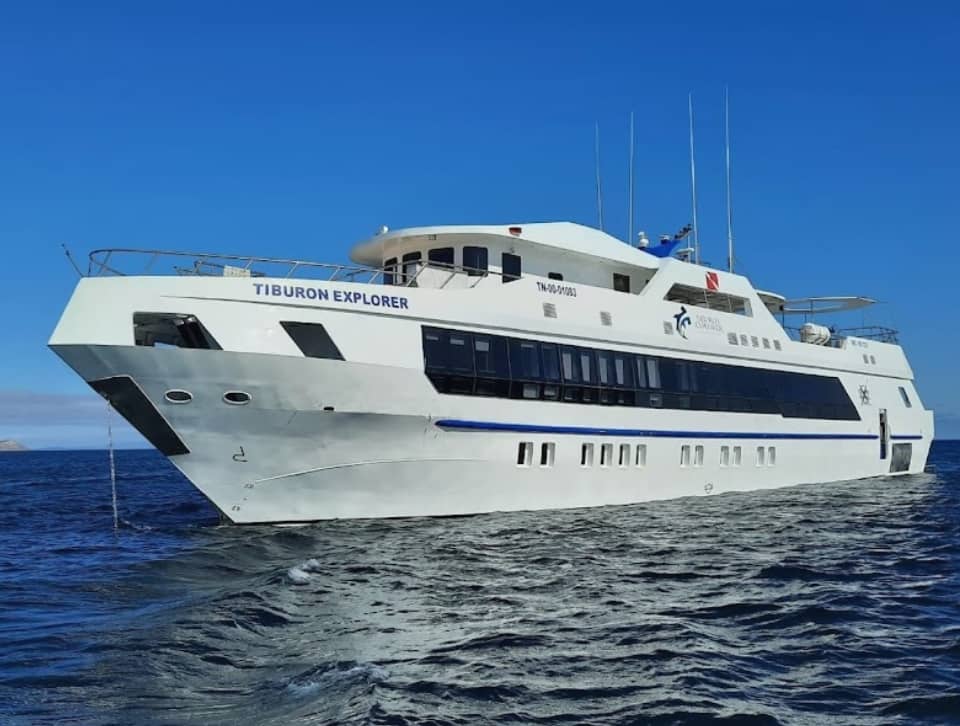
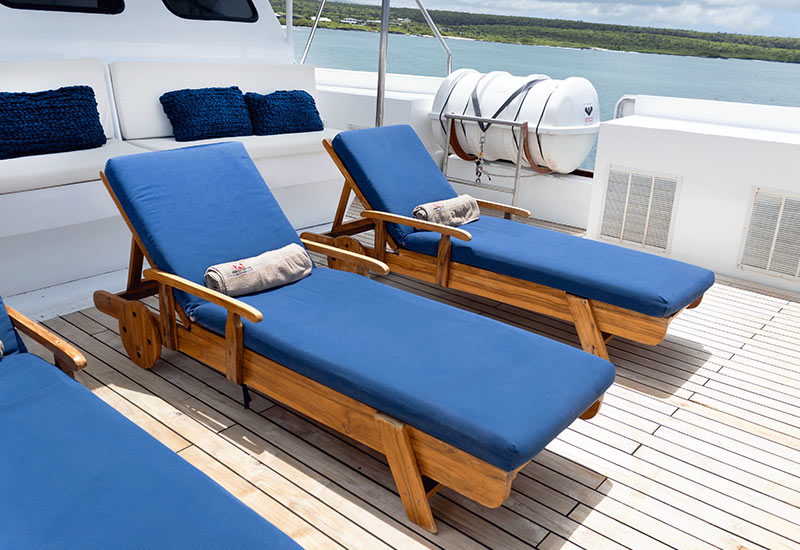
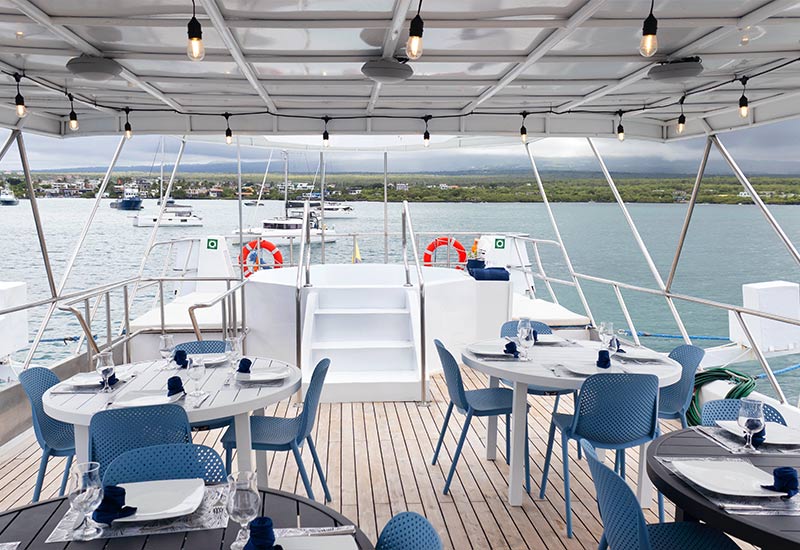
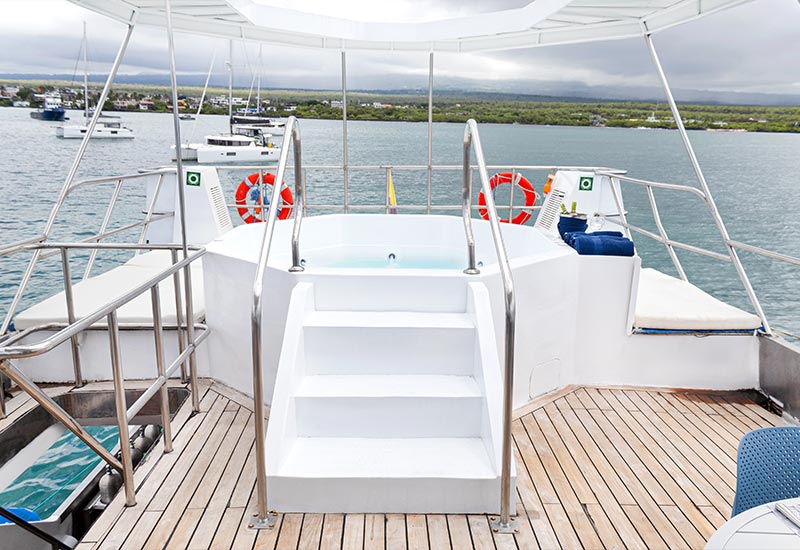
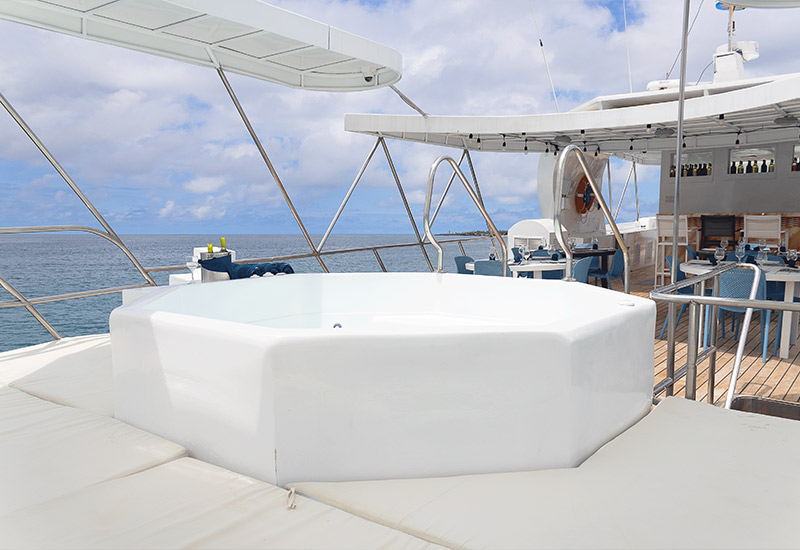
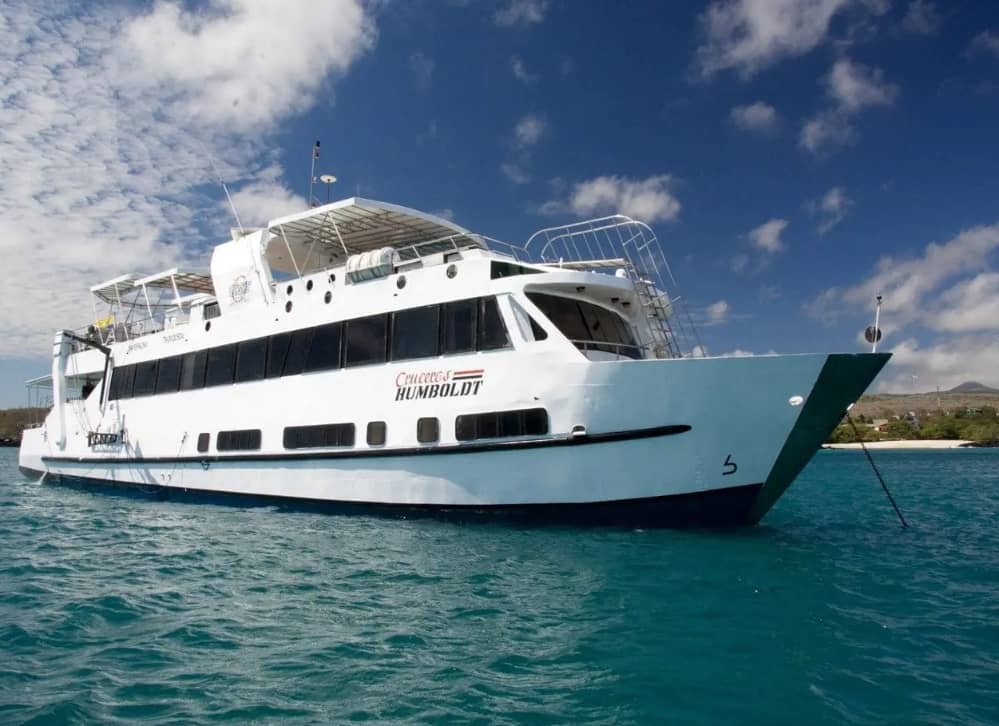
The company is proud to introduce you our brand new Power Catamarán, The Queen of Galapagos catamaran will begin their diving cruises in Galapagos Islands in June 2010, the ship build with world class standards is the most new addition ot our fleet of 2 Galapagos Diving Cruises. This could be your year - when you finally get to see the giant of the sea that has been on your wishlist for so long, whether it's a whale shark, manta ray, hammerhead or wild dolphin.
How many times have you heard the phrase "should have been with us last week when we saw a whale shark on this reef". So frustrating ! There are whale shark hotspots across the world but many are very seasonal (often down to one or two weeks per year), so make sure that you're in the right place at the right time with a good guide.
You still have to find the sharks. Some places use spotter-planes or scouting boats, others just cruise the reefs in the usual areas. Sometimes you just get lucky and one swims past. Knowing what to expect can help you make the most of the experience.
Whalesharks seem to come in close to the reef for cleaning and to warm up in the shallows, as well as to feed. High concentrations of plankton food mean low visibility, so you will have to work just to see them.
Cleaning stations tend to be areas of numerous coral outcrops with attendant cleaners, or long fringing reefs with cleanerfish along their length. The whale shark will meander from one area to the next, and the actual cleaning may be imperceptible.
Follow the guide and be vigilant. Whale sharks often patrol the reefs at the level of the drop-off, so are more likely to be found at 5m than at 30m.
If you see one while scuba diving, it will probably be quite close because of the low visibility. You can follow it, but remember that it can swim very quickly. Also keep an eye on your depth.
Don't swim in front of a whale shark's head, as it will scare quickly and dive down. Don't get too close to its tail, either - it can give you quite a knock if it starts to swim faster. No touching, of course!
I have observed a whale shark turn and check out each diver in turn before continuing its swim. It then started to gulp at the exhaled bubbles of one of the divers, probably confusing them with plankton. It seemed very happy with its entourage of bubbling creatures and swam with us for another 20 minutes before heading off into the deep.
On the surface, you will be looking for a dark shadow in contrast with the water. Polaroid sunglasses make a huge difference. Once seen, don mask, fins and snorkel and position your boat about 30m upcurrent.
Have a spotter on the boat to direct snorkellers, and keep the boat well away from whale sharks and snorkellers.
Slip into the water and allow the whale shark to swim to you. They are quite curious and will tolerate snorkellers as long as you don't touch them or swim down in front of them. Think "no threat".
If you're lucky, the animal will keep turning around and checking the snorkellers out. If it starts to swim to deeper water, let it go.
When the whale shark does tolerate the snorkellers, it will keep swimming around for hours, much longer than the snorkellers can last!
Whale sharks are often seen snacking near the surface, though most of their feeding is done in deeper water. Surface-snacking provides an ideal opportunity to snorkel, as the food will keep them shallow. They also seem to be attracted to boats of around 8-12m, perhaps because they are looking for a mate or company. A small whale shark followed our diving tender for two hours. We just kept cruising very slowly and turning the boat around when we ran out of reeftop.
I felt very sorry for our shadow when we left her on her own